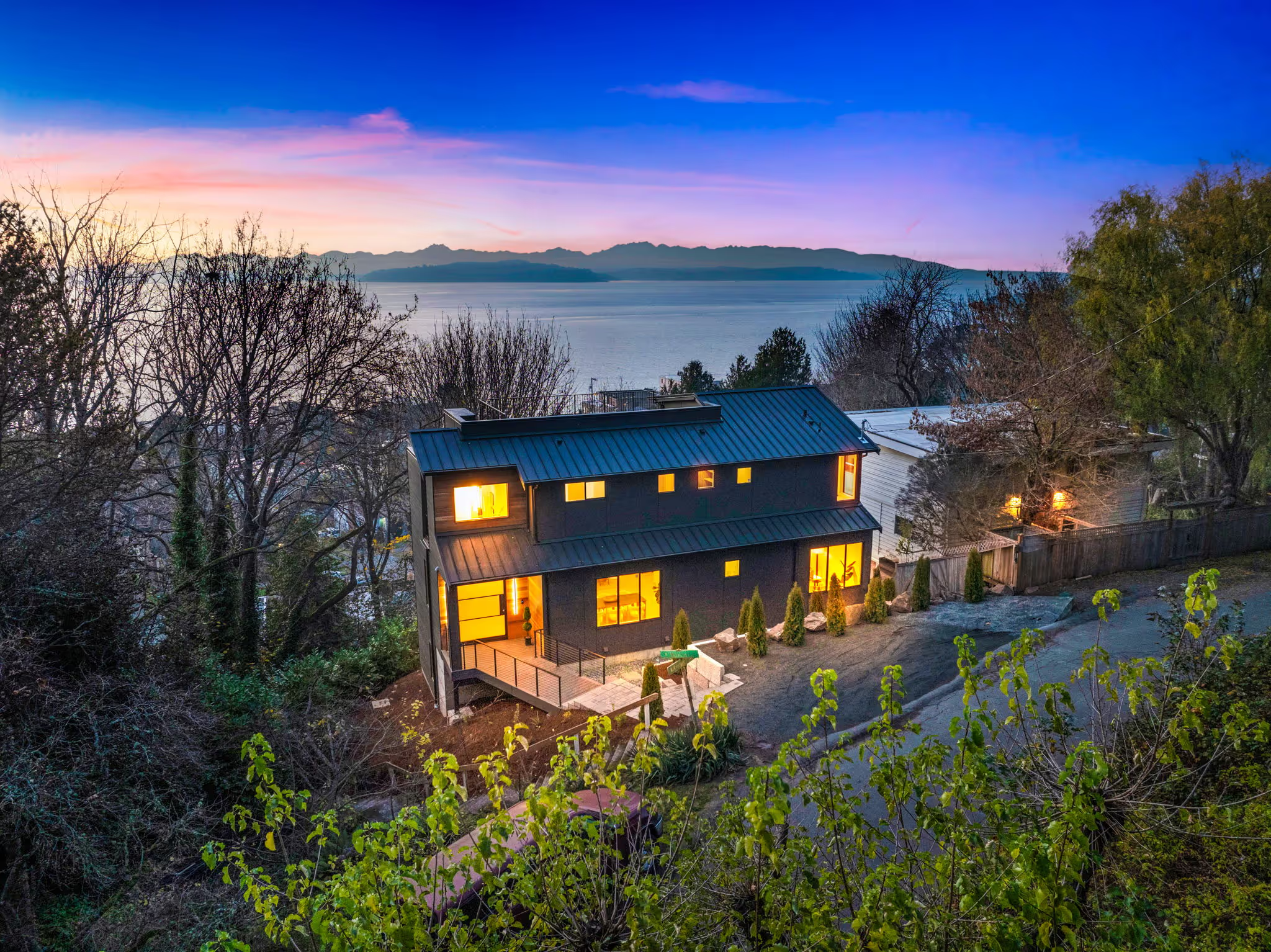

Building a Waterfront or Hillside Custom Home on Seattle’s Eastside: What to Know Before You Start
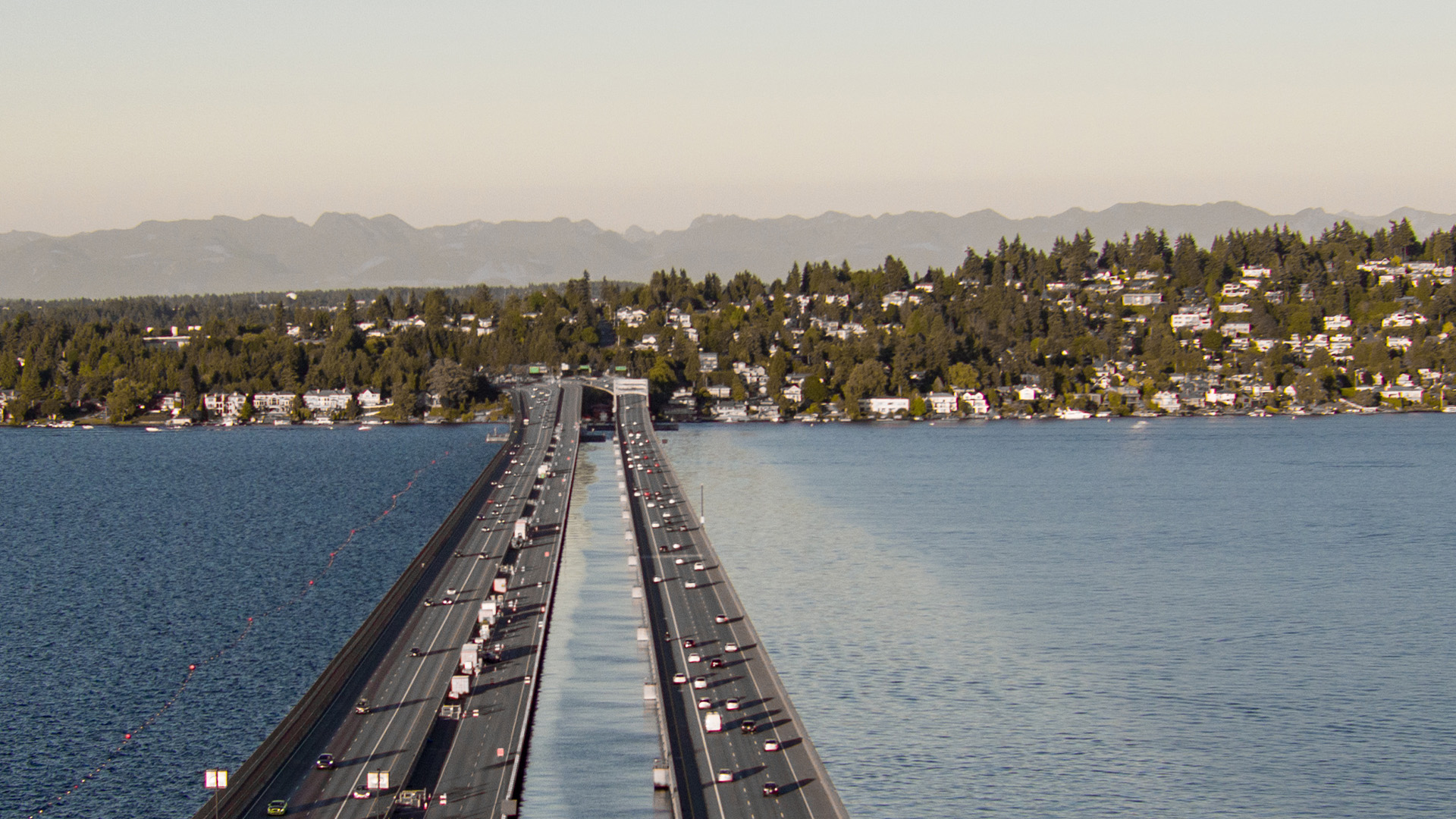
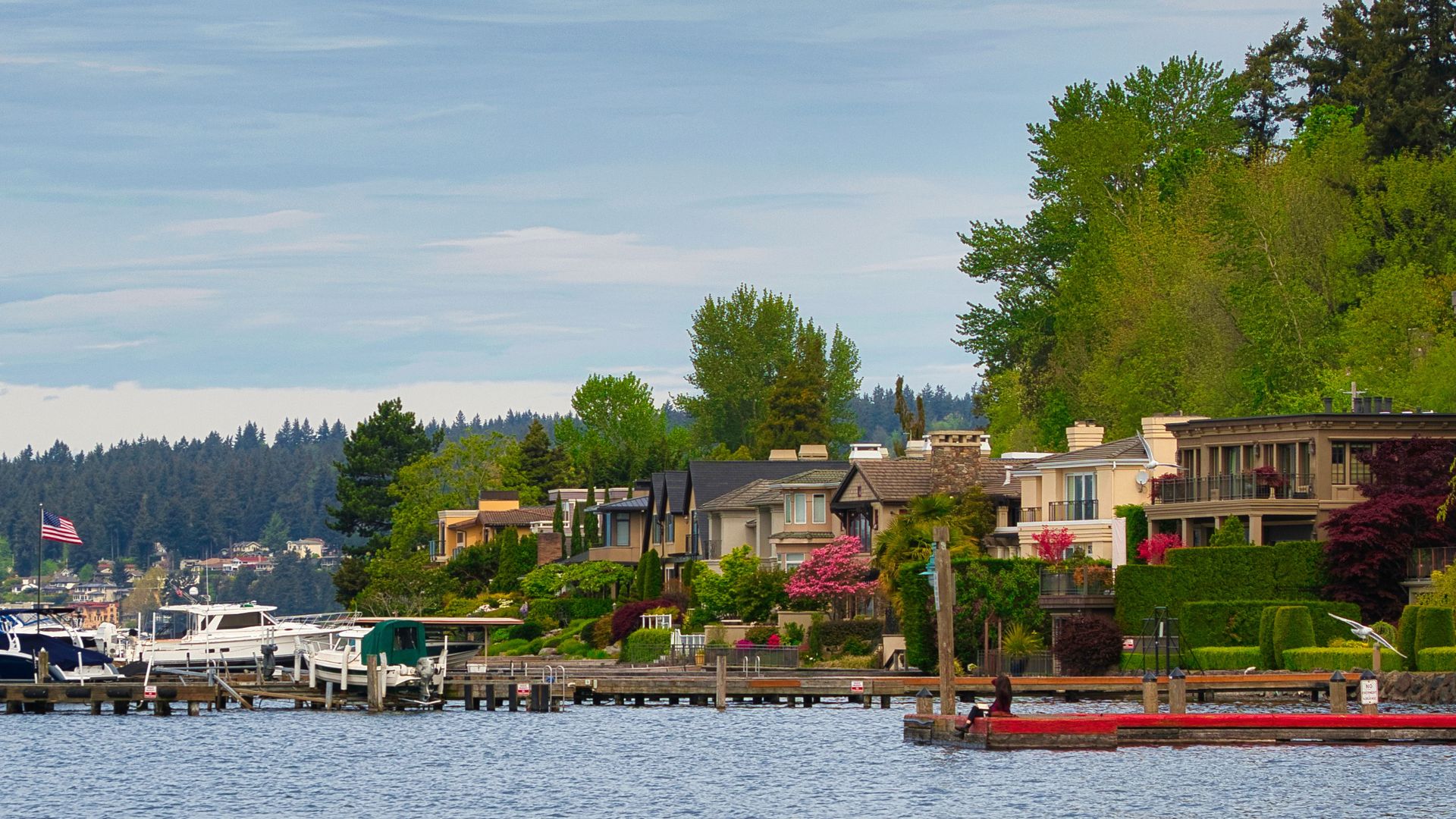
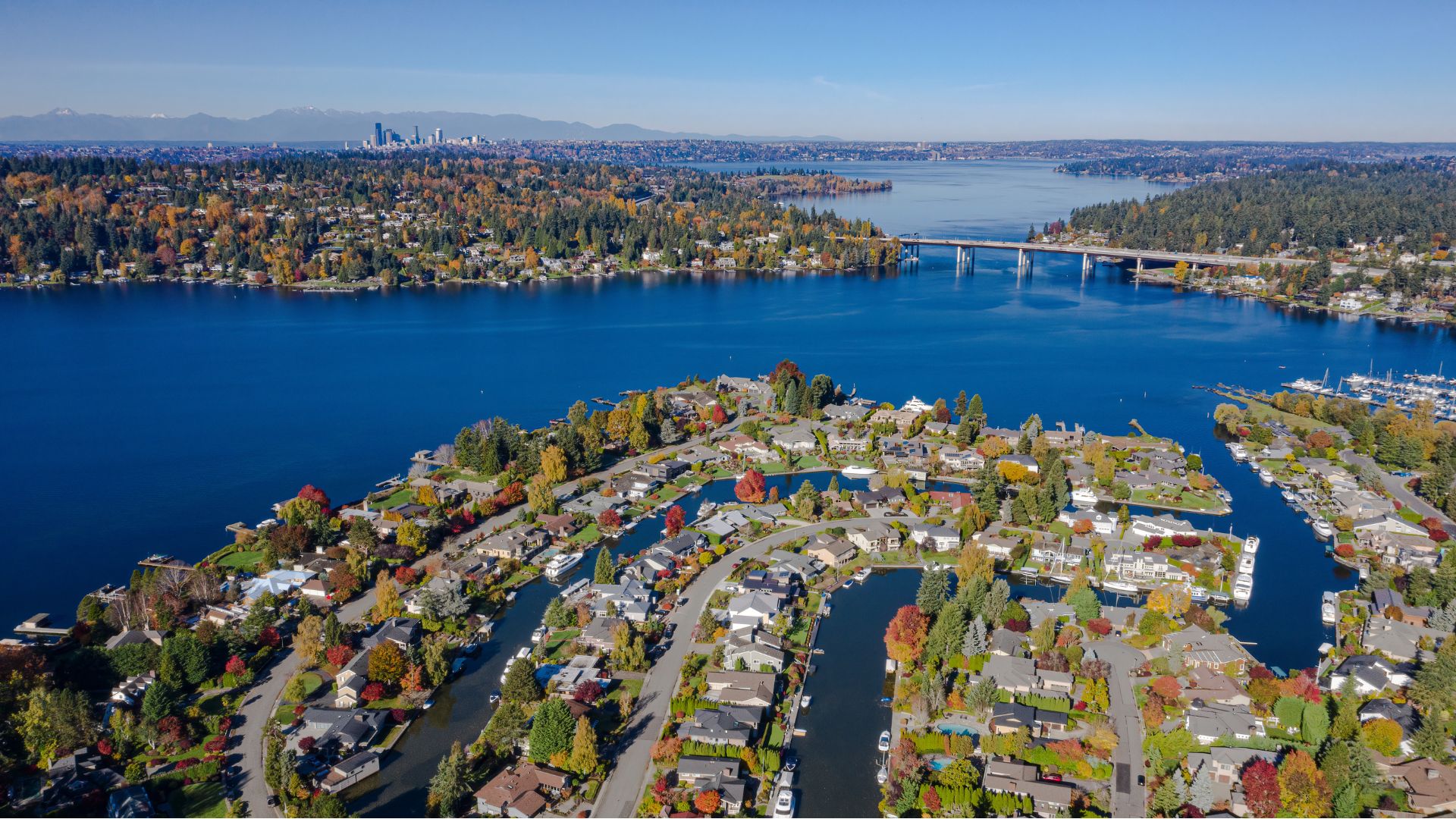
A waterfront lot on Lake Washington.
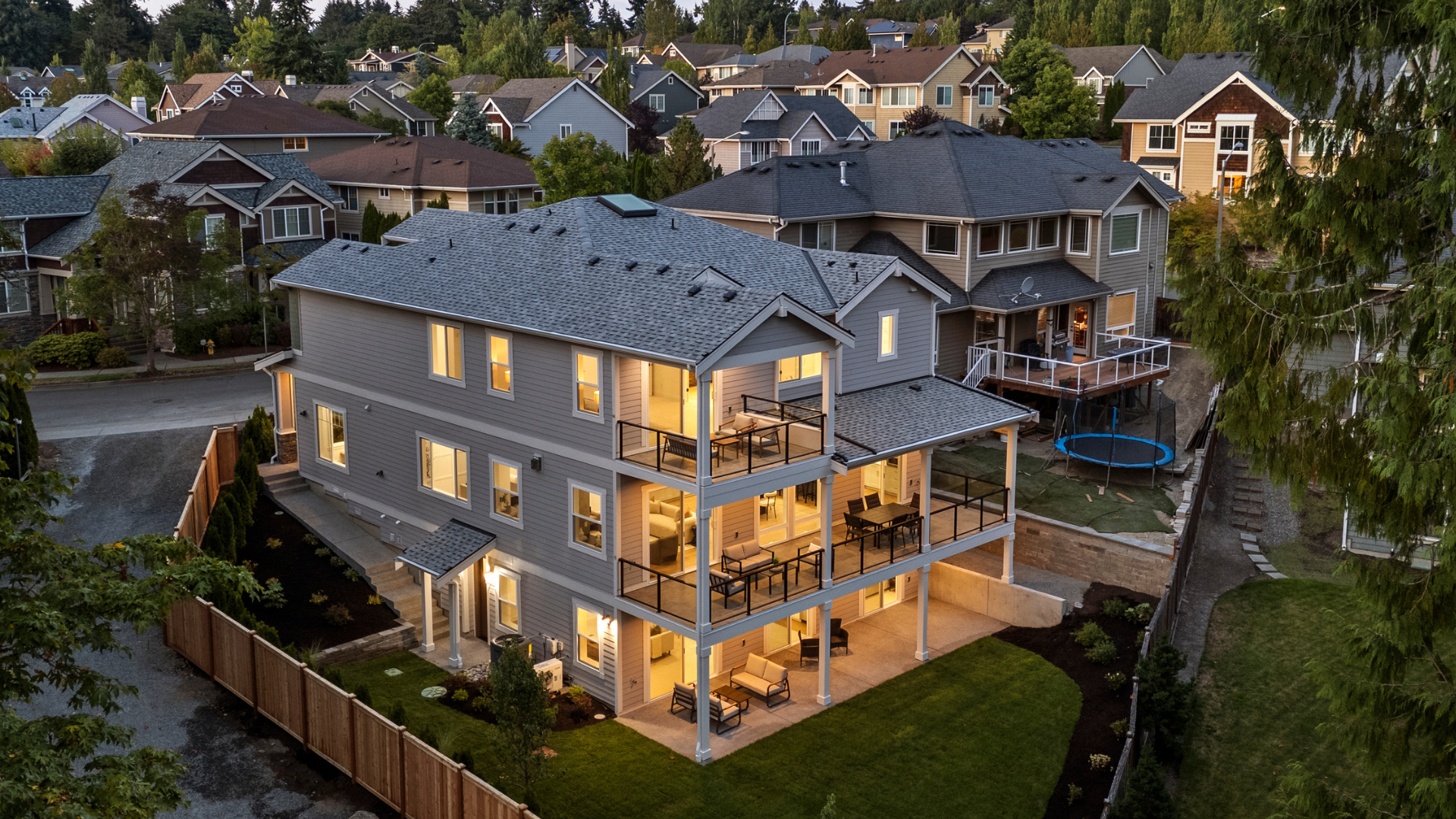
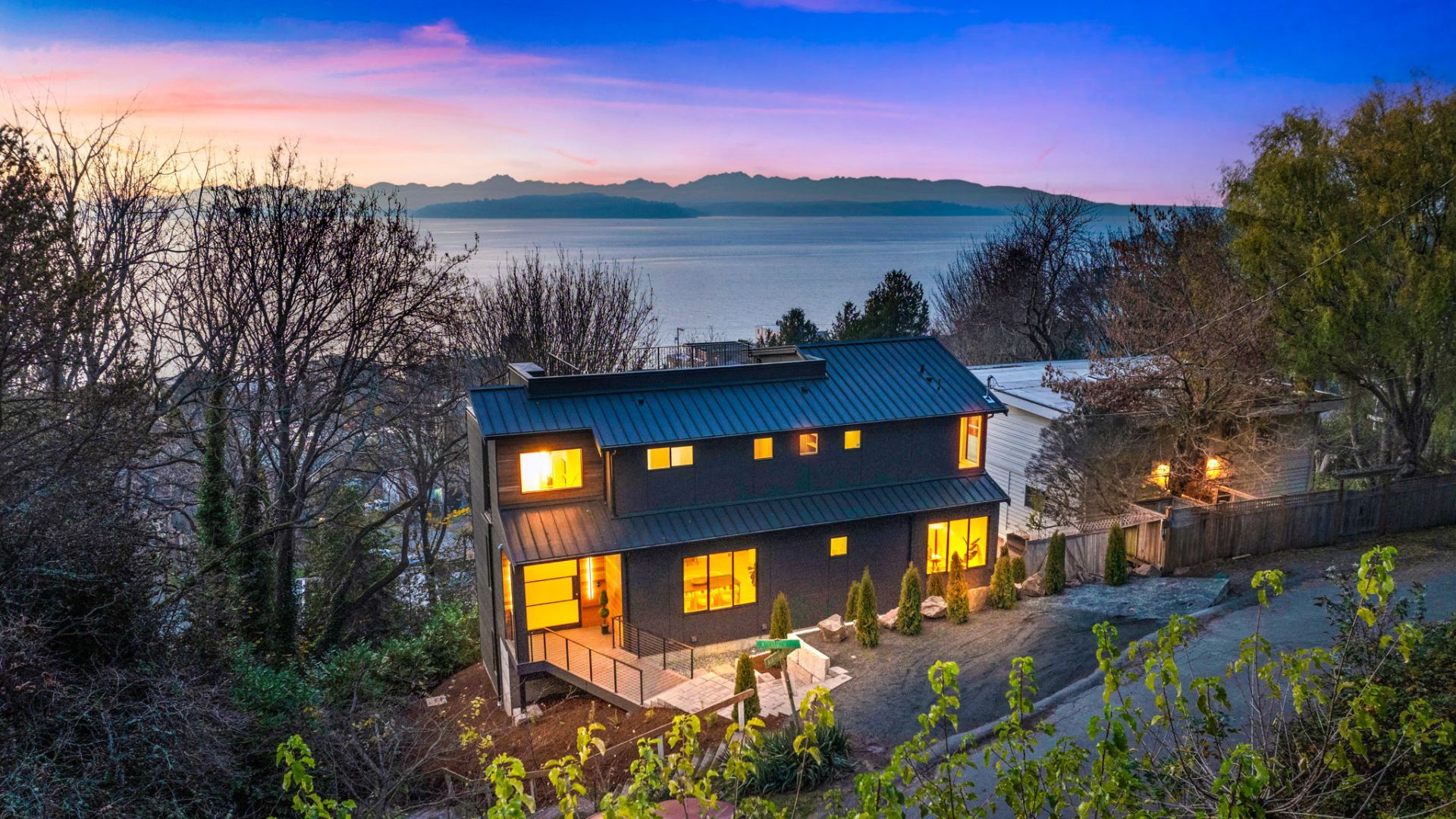
A hillside property with sweeping mountain and water views.
A quiet Eastside parcel that feels private, dramatic, and impossible to recreate.
These are the kinds of properties that make a custom home truly special. They also come with questions that don’t always show up during the first walk-through.
- Can the site support the home you want?
- What will permitting require?
- How will the slope affect the foundation?
- Where will equipment and materials go?
- How much will drainage, utilities, access, and engineering add to the budget?
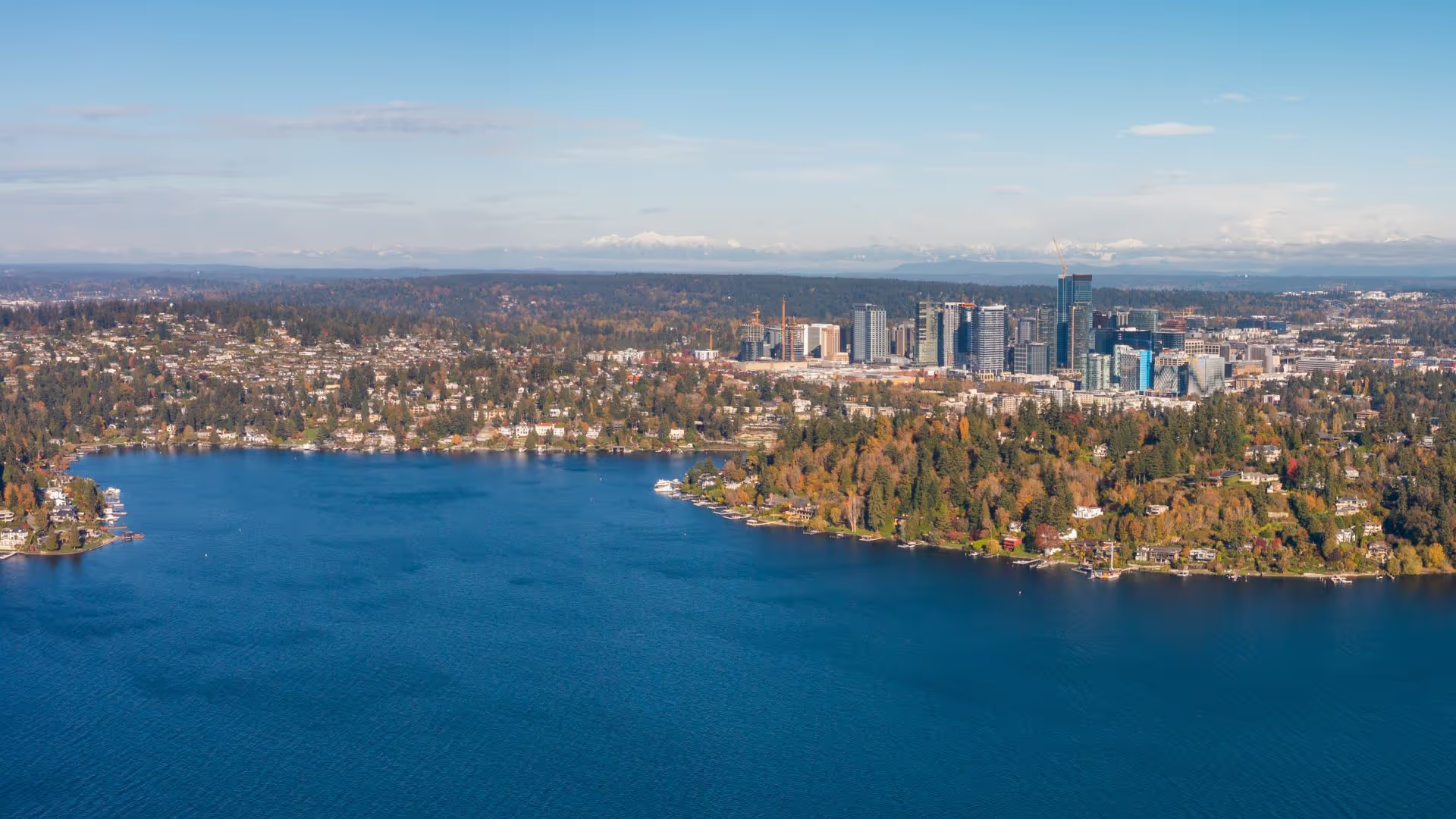
For waterfront, hillside, and view-property homes in Bellevue, Kirkland, Redmond, Mercer Island, Medina, and the surrounding Eastside, the land itself plays a major role in the final design, cost, timeline, and construction plan.
As a waterfront and hillside custom home builder serving Seattle's Eastside, we've helped homeowners navigate extremely challenging and promising properties.
Here’s what to understand before you get too far.
Quick Answer: What Makes Waterfront and Hillside Custom Homes More Complex?
Waterfront and hillside custom homes are more complex because the property affects nearly every major decision.
The slope, shoreline, soil, trees, drainage, access, utilities, view orientation, foundation design, permitting path, and construction logistics all shape what’s possible.
Many of the most beautiful custom homes are built on challenging properties. The key is knowing what the site requires before design, budget, and schedule decisions are too far along.
The right custom home builder can help you understand feasibility, cost, permitting, constructability, and timeline early, so you can move forward with more clarity and fewer surprises.
Why Waterfront and Hillside Properties Are Worth the Extra Planning
The right property can shape the entire experience of a home.
A lakefront site might pull the main living spaces toward the water. A hillside lot might open up to a wall of glass, a covered terrace, or a private primary suite above the trees. A view property might create the perfect setting for indoor-outdoor living, entertaining, and everyday privacy.
These properties often make room for features like:
- Lake-facing living areas
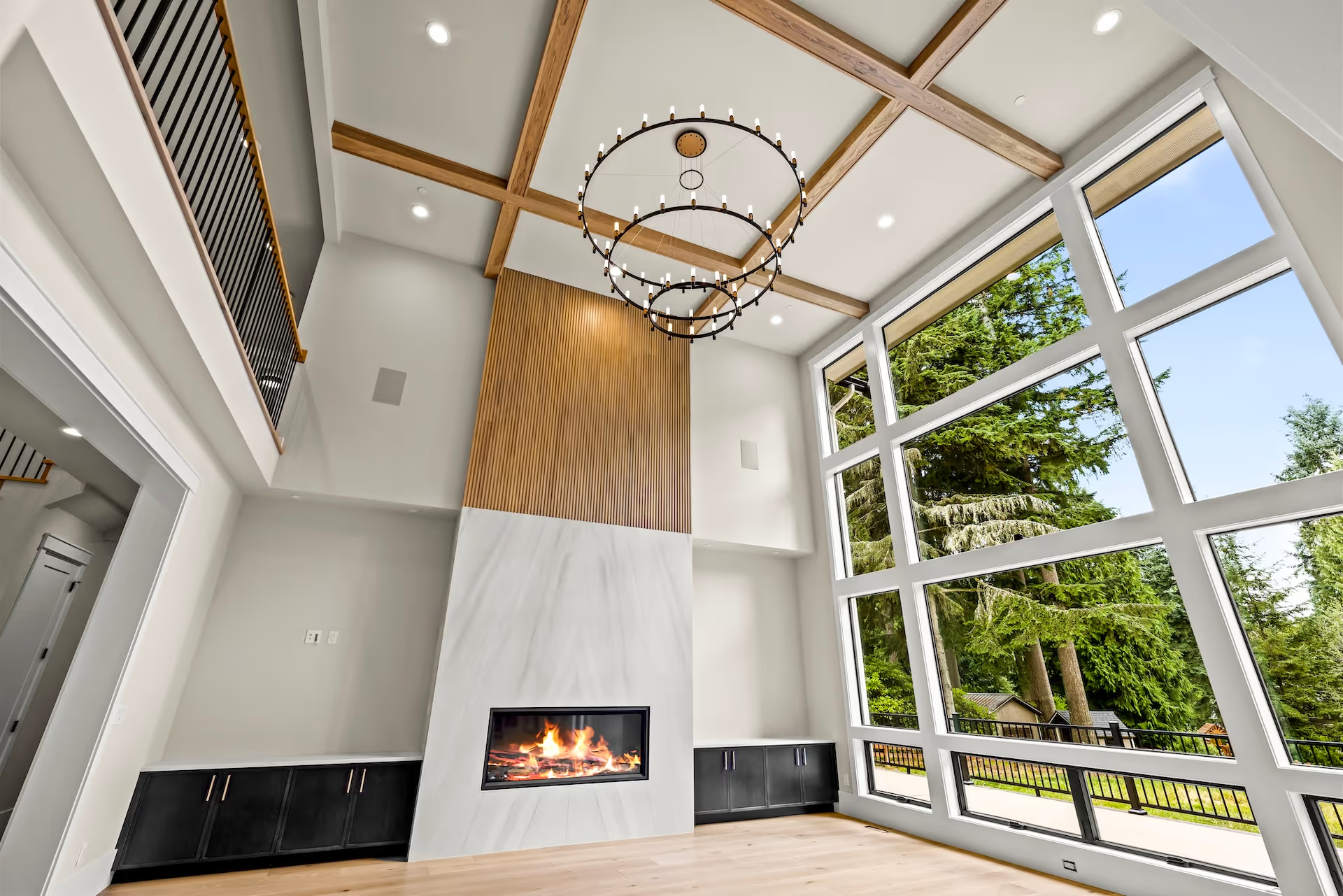
- Expansive windows
- View decks and terraces
- Walk-out lower levels
- Outdoor kitchens and covered patios
- Private upper-floor suites
- Architecture that follows the natural grade
See how these ideas come together in a Lake Washington waterfront home in Madison Park, part of Polaris’s three-home Madison Estates development.
When the planning is done well, the complexity fades into the background. What you feel is the view, the light, the privacy, and the way the home fits the land.
That kind of result takes more than a beautiful design. It takes early planning around access, structure, drainage, permitting, sitework, and budget.
See our full guide to the Eastside custom homebuilding process to learn more.
The Biggest Challenges to Understand Early
Every custom home has moving parts. Waterfront and hillside homes usually have more of them.
The biggest mistake is waiting too long to evaluate the site. A property can look ideal at first glance and still carry hidden cost, permitting, or construction challenges.
Site Feasibility
Before design goes too far, you need to understand what the property can realistically support.
That includes the buildable area, slope, access, utilities, trees, soil conditions, existing structures, and any shoreline or critical-area constraints. On some properties, these factors are straightforward. On others, they can affect the size, placement, design, or budget of the home.
A feasibility review helps answer practical questions early:
- Where can the home sit?
- What parts of the site are restricted?
- What needs further engineering or study?
- How will utilities reach the home?
- How will crews, equipment, and materials access the site?
- Are there drainage, slope, tree, or shoreline issues to plan around?
This is especially important if you’re still deciding whether to buy the property. The goal is to understand the path before you commit.
Permitting and Jurisdictional Review
Waterfront, hillside, and view properties often require more careful permitting than simpler lots.
Depending on the property, the project may involve city requirements, shoreline considerations, steep-slope review, tree protection, drainage review, utility coordination, or environmental and critical-area review.
Bellevue, Kirkland, Redmond, Mercer Island, Medina, and other Eastside jurisdictions each have their own processes and expectations. Even within the same city, one lot may be relatively straightforward while another needs significantly more documentation and coordination.
The earlier your team understands the permitting path, the easier it is to plan around it. That can help prevent redesigns, delays, and budget surprises later.
Drainage and Stormwater
Water management is especially important on slopes, lakefront sites, and heavily developed Eastside properties.
Drainage can affect the foundation, retaining walls, site grading, driveway design, landscaping, and long-term durability of the home. Poor planning can create expensive problems later, especially on properties where water naturally moves downhill or toward sensitive areas.
Good drainage planning protects the home, the property, and the budget. It also gives the design and construction team more confidence as the project moves into engineering and permitting.
Foundation and Structural Engineering
Challenging sites often require more structural coordination.
A hillside home may need a more complex foundation, retaining walls, structural steel, terraces, or careful sequencing around excavation and framing. A waterfront home may need additional planning around soil, drainage, access, and view-facing design elements. A view-driven home may include large window systems, cantilevers, or indoor-outdoor transitions that require careful engineering.
These features can be well worth it. They’re often what make the home extraordinary. But they need to be evaluated with cost, schedule, and constructability in mind from the beginning.
Construction Access
A home can be buildable on paper and still difficult to execute in the field.
Narrow streets, steep driveways, limited staging space, neighboring homes, protected trees, shoreline constraints, and tight lots can all affect how the work gets done. Crews need places to park. Materials need to be delivered. Equipment needs access. Excavation, framing, windows, concrete, and finishes all need to move through the site safely and efficiently.
On a complex property, site logistics are part of the budget conversation. They can affect timeline, sequencing, labor, and cost.
How Waterfront and Hillside Properties Affect Cost
Waterfront and hillside homes often cost more than similar homes on straightforward lots because more of the budget goes into the property itself.
Before framing begins, the project may require additional engineering, excavation, grading, retaining walls, drainage systems, utility work, access planning, or permitting support. The home may also require more complex foundations, larger window systems, structural steel, terraces, decks, or outdoor living spaces.
Common cost drivers include:
- Engineering and site studies
- Excavation and grading
- Drainage and stormwater systems
- Retaining walls
- Utility upgrades
- Complex foundations
- Structural steel
- Larger window and door systems
- Outdoor living areas
- Permitting coordination
- Limited construction access
The best way to manage these costs is to identify them early.
See our custom home cost guide to see how to control costs and still get what you want.
If the team understands the site before design is too far along, you have more room to make smart decisions. That might mean adjusting the home’s placement, simplifying a structural move, rethinking a driveway, phasing outdoor living features, or choosing where to invest in the details that matter most.
Why the Builder Should Be Involved Early
The best time to involve a builder is before buying the property, finalizing plans, or making major design decisions.
That’s especially true for waterfront, hillside, and view-property homes. These projects need a buildable path that accounts for site conditions, permitting, access, budget, and schedule from the beginning.
An experienced custom home builder can help you understand:
- Whether the lot supports your goals
- What site conditions may affect cost
- Where permitting issues may appear
- How the design direction relates to budget
- What construction access will require
- Where engineering or sitework may add complexity
- How to avoid costly redesigns later
This is where Polaris’s Design-Build Plus approach can be especially helpful. You can bring your own architect, start with early ideas, or work with Polaris to assemble the right team. The value is in bringing design, engineering, feasibility, budgeting, and construction thinking together early.
That early alignment helps protect the vision. It also gives you more clarity before the project moves too far down one path.
What to Look for in a Waterfront or Hillside Custom Home Builder
A complex property needs a builder who can see beyond the floor plan.
The right builder should understand how the site, design, budget, and construction process all connect. They should be able to talk through feasibility, access, engineering, permitting, and cost without making the process feel overwhelming.
Look for a builder with:
- Experience on complex lots
- Early feasibility insight
- Strong communication
- Budget discipline
- Engineering and constructability awareness
- Permitting coordination
- High-end craftsmanship
- Respect for the design vision
- Clear project management
For a challenging property, the builder’s role starts long before construction. They should help you ask better questions, understand tradeoffs, and make confident decisions before the project reaches the expensive stages.
That kind of guidance matters even more when the home is deeply personal. A waterfront or hillside home is often shaped around how you want to live: where you’ll gather, where you’ll wake up, where you’ll see the view, how you’ll move outside, and how the home will feel years from now.
Planning a Waterfront or Hillside Home on Seattle’s Eastside?
A remarkable property deserves a thoughtful plan.
If you’re considering a waterfront, hillside, or view property in Bellevue, Kirkland, Redmond, Mercer Island, Medina, or the surrounding Eastside, Polaris can help you understand what it will take to build the home you want.
From the first site walk, we help clients think through feasibility, budget, design coordination, engineering, permitting, and construction planning. Our Design-Build Plus process brings the right conversations together early, so you can move forward with more clarity and fewer surprises.
Whether you already own the land, are evaluating a property, or have plans in motion, we can help you see the path ahead.
Take a look at a few of the luxury Eastside homes we’ve built, and start the conversation with Polaris.
FAQs About Waterfront and Hillside Custom Homes
Is it more expensive to build on a hillside?
Usually, yes. Hillside homes often require additional engineering, excavation, retaining walls, drainage planning, foundation work, access planning, and construction coordination.
The exact cost depends on the slope, soil conditions, access, home design, utilities, permitting requirements, and how much sitework is needed before construction begins.
What makes waterfront home construction more complicated?
Waterfront homes can involve shoreline requirements, drainage planning, environmental review, access constraints, structural considerations, and more detailed permitting.
They also often have higher expectations for design, windows, outdoor living, and view orientation. The goal is to create a home that takes full advantage of the water while accounting for the realities of building near it.
When should I involve a builder for a waterfront or hillside property?
As early as possible. Ideally, involve a builder before buying the property or finalizing architectural plans.
Early builder input can help you understand feasibility, budget risks, access constraints, permitting requirements, and design decisions that may affect construction cost.
Can Polaris work with my architect?
Yes. Polaris can work with your architect or help bring the right team together through our Design-Build Plus approach.
For complex properties, the most important thing is early alignment between design, engineering, budget, permitting, and construction. That helps the whole team make better decisions from the beginning.