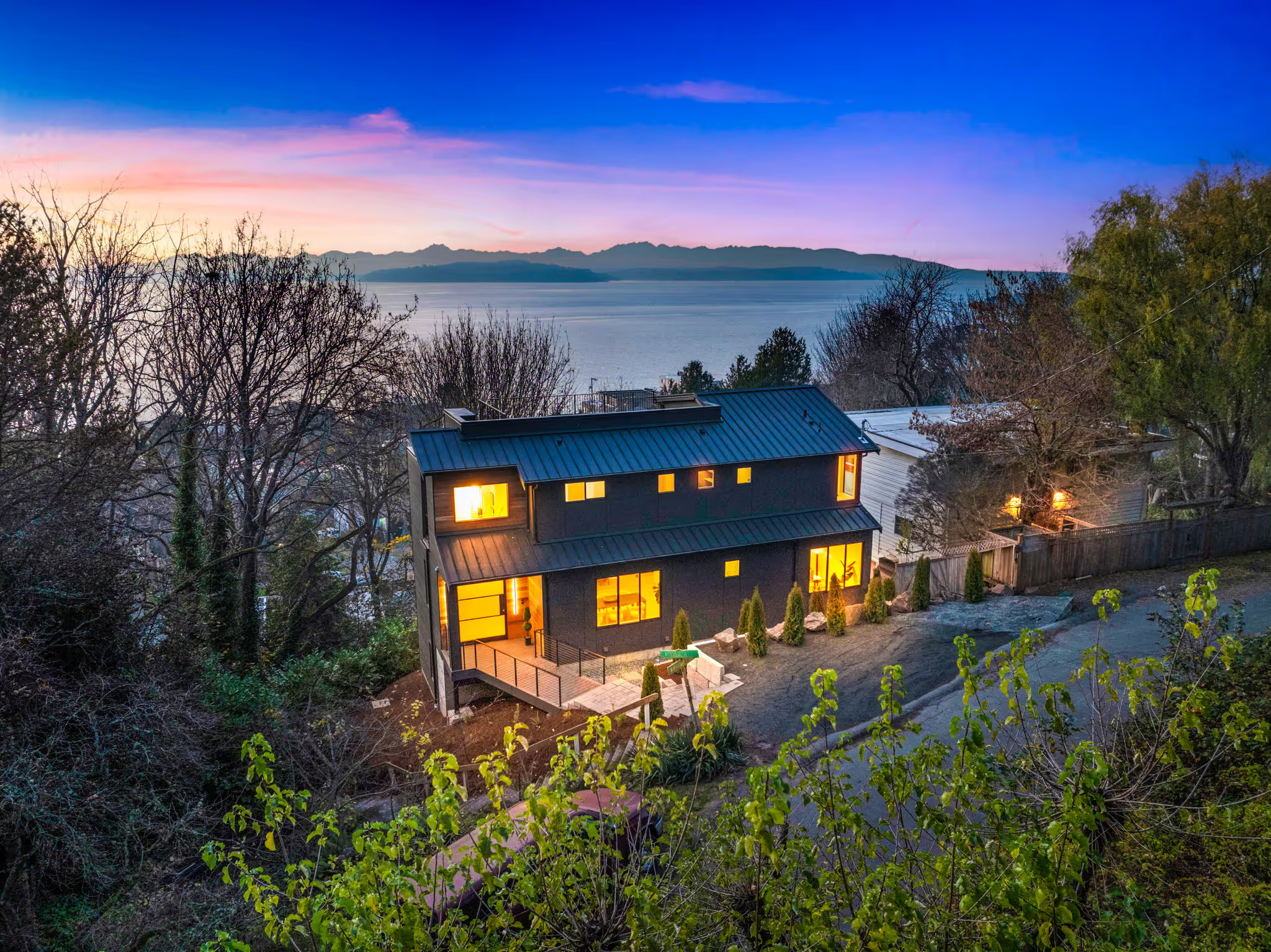

What Does It Cost to Build a Custom Home on Seattle’s Eastside? (2026 Update)
You finally found the right property. It could be a quiet lot in Bellevue, a view property in Kirkland, a wooded site in Redmond, or a waterfront parcel on Mercer Island.
But then you're next question hits:
What will it actually cost to build the home we want?
It's smart to ask it early because the answer affects almost every decision you'll make: land, design, square footage, finish level, permitting, schedule, and builder selection.
A good luxury custom home builder on Seattle’s Eastside will tell you that cost is rarely just a square-foot calculation. The final number depends on the property, the design, the site conditions, the permitting path, the materials, the finishes, and how carefully the project is planned before construction begins.
This guide walks through realistic custom home cost ranges for Bellevue, Kirkland, Redmond, Mercer Island, Medina, and the surrounding Eastside, along with the factors that can push a project higher or lower.
Quick Answer: How Much Does a Custom Home Cost on Seattle’s Eastside?
A realistic budget starts with a range, not a fixed number. The more complex the property, design, and finish level, the more that range can move.
A luxury custom home on Seattle’s Eastside often falls between $600 and $1,200+ per square foot, excluding land. Simpler custom homes may come in below that range, while complex waterfront, hillside, or ultra-luxury estates can exceed $1,200 to $1,500+ per square foot.
For early planning, you can think about the ranges this way:
- Straightforward custom homes: often around $400 to $600 per square foot
- Luxury Eastside custom homes: often around $600 to $900 per square foot
- High-end or complex luxury custom homes: often around $900 to $1,200+ per square foot
- Ultra-luxury estates: often $1,200 to $1,500+ per square foot
For a 4,500-square-foot custom home, that could mean a construction budget somewhere around $2.7 million to $5.4 million+, depending on the site, architecture, finish level, and total scope.
Those numbers do not include land. They also may not include every soft cost, furnishing, financing cost, owner-selected item, or major site-specific upgrade.
The useful thing about a square-foot range is that it gives you a starting point. The limitation is that it cannot tell the whole story. A real budget has to account for the property, the design, the finish expectations, and the full scope of work.
Why Custom Home Costs Vary So Much
Two homes can have the same square footage and very different budgets. That is especially true on the Eastside, where the property itself often drives a large part of the cost.
One home might sit on a flat, accessible lot with utilities already in place. Another might require demolition, steep-slope engineering, drainage work, tree protection, retaining walls, shoreline review, and a long driveway before vertical construction begins.
Both are custom homes. But they are not the same project.
Square-foot pricing can also hide important details. One estimate may include realistic allowances, sitework, builder management, sales tax, and contingency. Another may look lower because important pieces are missing or under-budgeted.
That is why early planning matters. Long before construction starts, decisions about land, architecture, structure, windows, finishes, outdoor living, and permitting begin shaping the final cost.
The Biggest Cost Drivers for Eastside Custom Homes
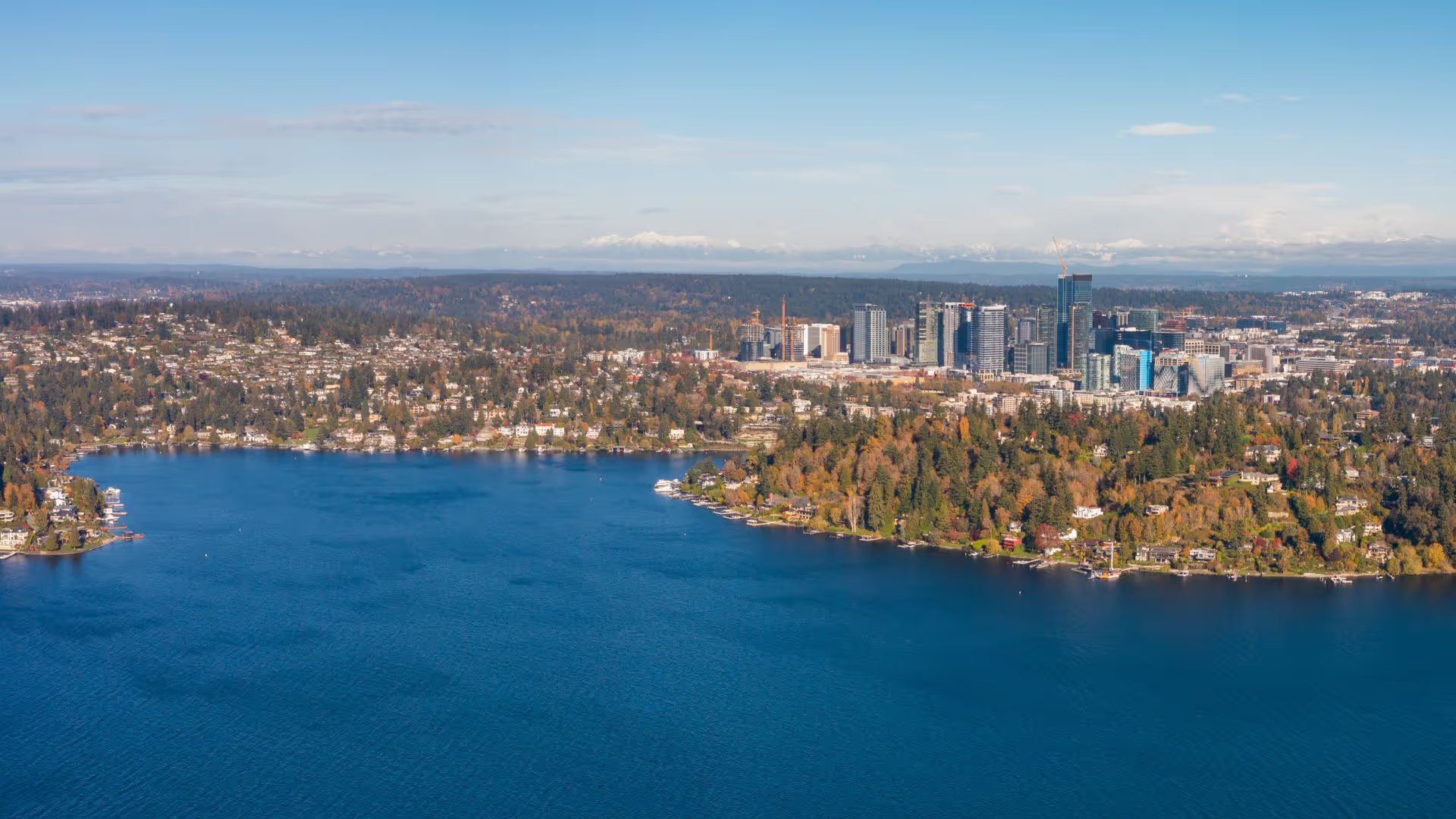
The Eastside is not a uniform building market. Bellevue, Kirkland, Redmond, Mercer Island, Medina, and nearby communities each bring their own mix of site conditions, permitting requirements, neighborhood expectations, and design opportunities.
These are the factors that most often move the budget.
Location and Jurisdiction
Where you build affects more than the address. It can shape the review process, utility requirements, drainage design, tree protection, inspections, and site logistics.
Planning a custom home in Bellevue can involve different requirements than building in Kirkland, Redmond, Mercer Island, or Medina. Even within the same city, a waterfront property, hillside lot, or heavily treed site can change the path.
Permitting requirements, review timelines, utility work, drainage rules, neighborhood standards, and inspection needs can all affect the cost. In high-value Eastside neighborhoods, there is also a higher expectation for craftsmanship. The home needs to feel considered, refined, and appropriate for the property.
Lot Conditions
The lot is one of the biggest reasons custom home budgets change. A straightforward lot gives the project a cleaner starting point, while a difficult lot can add meaningful cost before framing begins.
Demolition, excavation, grading, drainage, stormwater systems, retaining walls, utility upgrades, tree protection, driveway access, and geotechnical work can all influence the budget. On waterfront or critical-area properties, the site may also require additional review, engineering, and coordination before construction can begin.
This is why it is helpful to involve a builder before buying land or finalizing design. A property can look ideal during a showing and still carry hidden cost risks below the surface.
Waterfront, Hillside, and View Properties
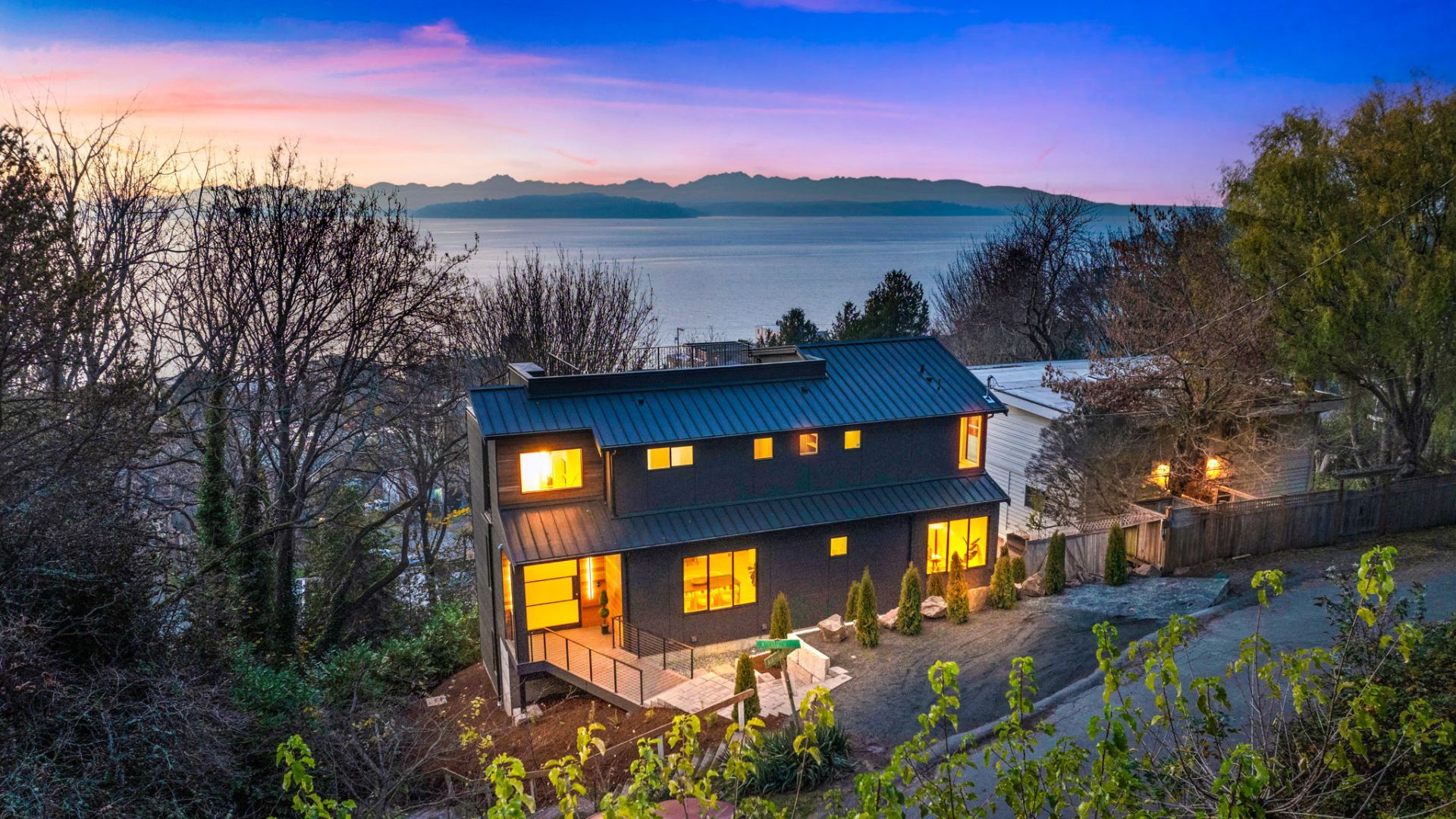
Many of the most desirable Eastside homes are also more complicated to build. Waterfront, hillside, and view properties can create beautiful design opportunities, but they often require more engineering, more site planning, and more coordination.
A hillside home may need a more complex foundation, retaining walls, drainage planning, and difficult equipment access. A waterfront home may involve shoreline considerations, structural complexity, and a more careful permitting path. A view-driven home may call for large window systems, steel, cantilevers, or indoor-outdoor transitions that add both beauty and cost.
The result can be extraordinary: a home that fits the land, captures the view, and feels truly one of a kind. But the budget needs to reflect that complexity from the beginning.
See how we turned a lakefront vision into reality with this 5,181 SF Madison Park waterfront residence.
Architecture and Structural Complexity
Beautiful architecture has real cost implications. Clean, simple forms are usually more efficient to build, while more complex homes require more labor, coordination, engineering, and specialty materials.
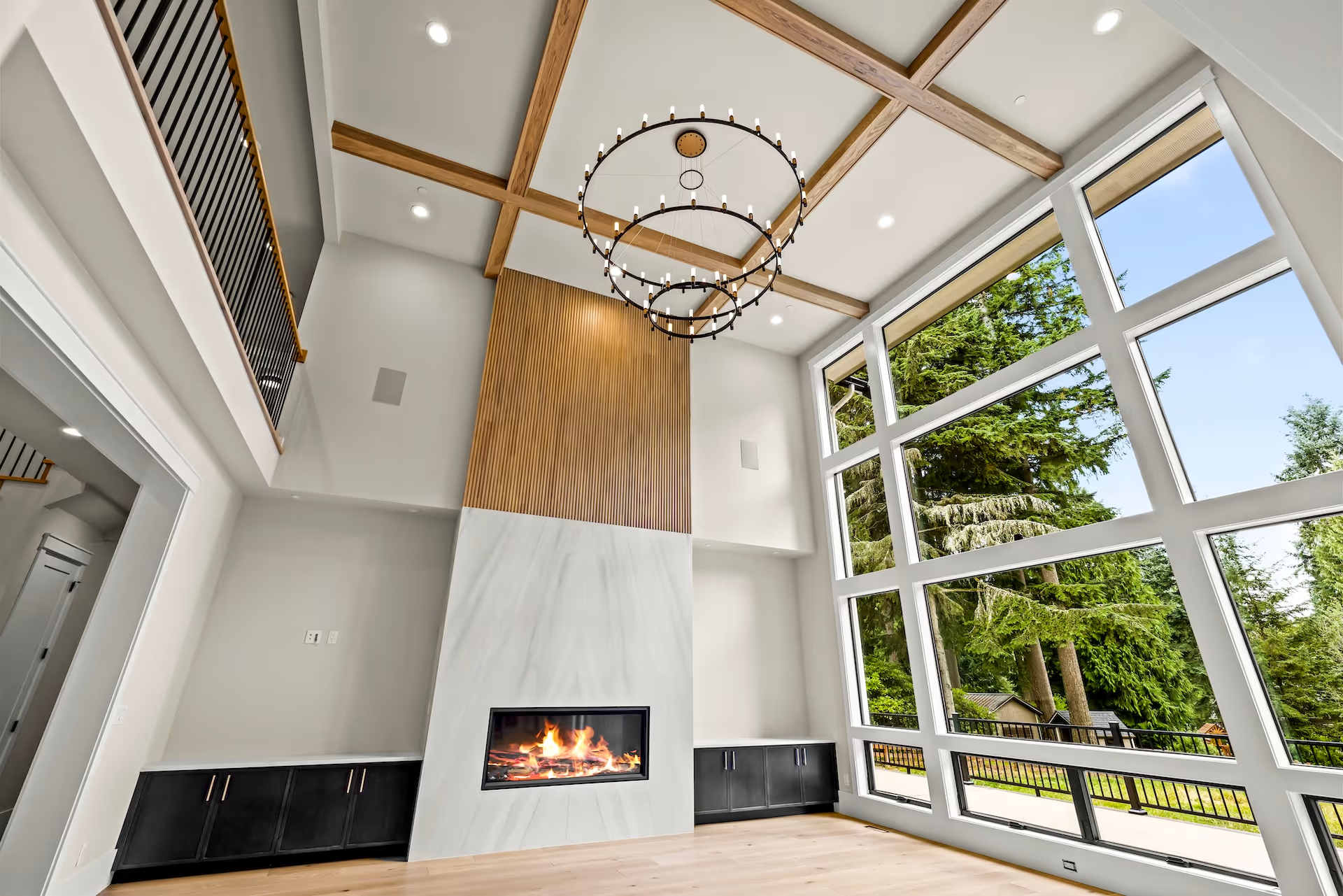
Large structural spans, expansive glass, multiple rooflines, custom staircases, elevators, cantilevers, complex foundations, and detailed exterior materials can all increase cost. These details can be worth the investment when they support the vision. The key is understanding their impact early, so the design can be shaped with both beauty and budget in mind.
Finish Level
For luxury custom homes, finishes are one of the biggest budget variables. Two homes with the same square footage can feel completely different, and cost completely different, based on selections alone.
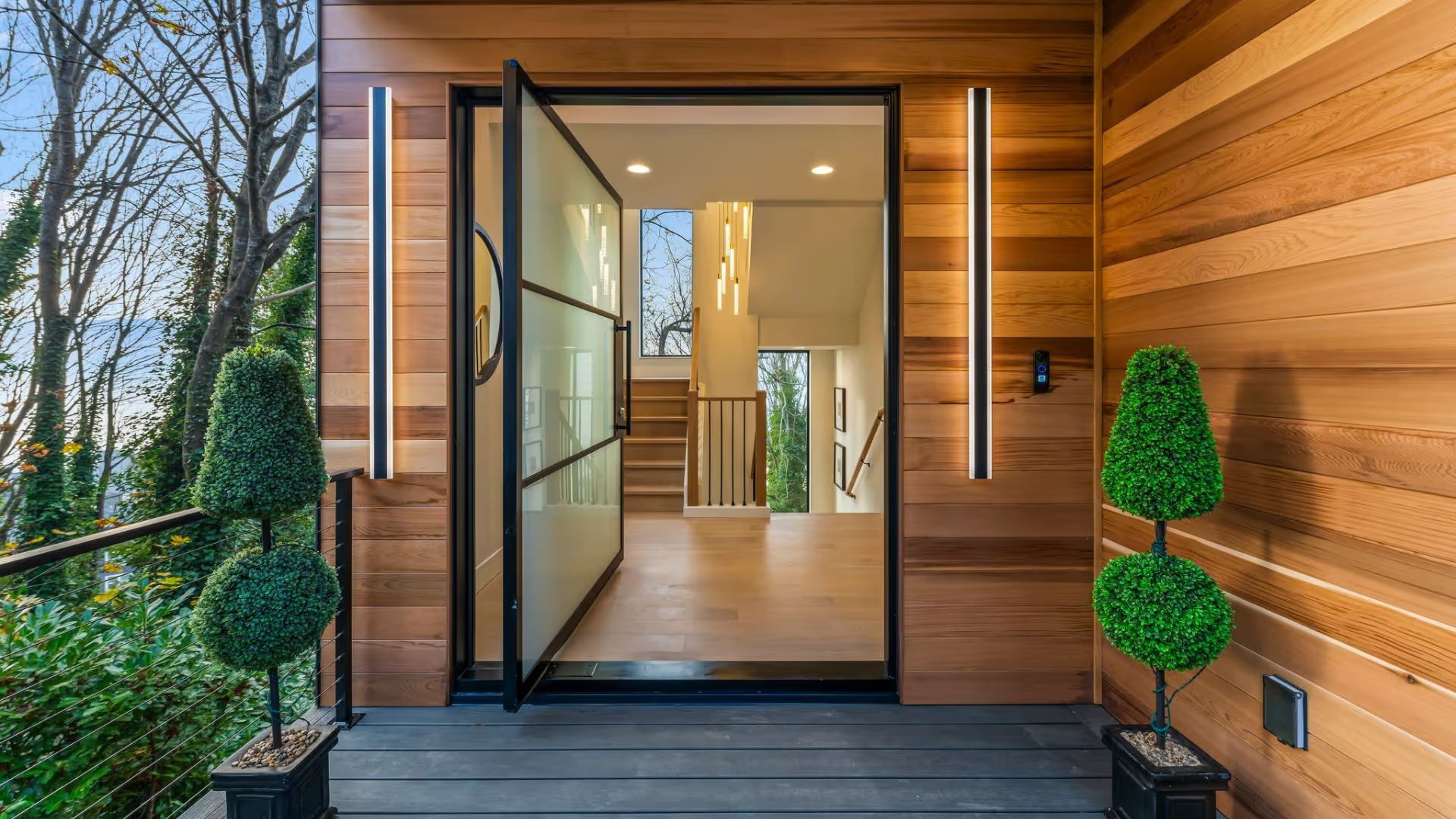
Cabinetry, flooring, stone, tile, windows, doors, appliances, lighting, plumbing fixtures, hardware, fireplaces, smart-home systems, custom millwork, and outdoor living features can all move the budget.
This is where realistic allowances matter. If the early budget assumes standard selections but the design calls for premium appliances, custom cabinetry, natural stone, high-end windows, and detailed millwork, the budget will change.
A strong planning process helps align the finish package with the investment level before those decisions become stressful.
Sitework, Utilities, and Outdoor Living
Many owners focus first on the visible rooms: the kitchen, great room, primary suite, wine room, gym, or outdoor terrace. But some of the most important costs are outside the walls.
Driveways, utility upgrades, drainage systems, retaining walls, terraces, decks, landscaping, exterior lighting, fencing, pools, spas, outdoor kitchens, and shoreline or slope stabilization work can all shape the total project budget.
For Eastside luxury homes, outdoor living is often central to the design. Covered patios, view decks, outdoor kitchens, pool areas, and landscape lighting should be part of the budget conversation early, not treated as add-ons later.
Permitting and Timeline
Permitting affects more than the schedule. It can also affect cost, especially when the property or design requires extra review.
More complex projects often need more documentation, more consultant input, more coordination, and more revisions before construction can begin. Waterfront conditions, steep slopes, tree protection, drainage requirements, utility work, environmental review, and design revisions can all add time and complexity.
Delays can create indirect costs too. When decisions stall or documentation is incomplete, timelines stretch. And when timelines stretch, the project becomes harder to manage.
A clear process helps keep the work moving from early feasibility through permit review, construction, and closeout.
What Should Be Included in a Custom Home Budget?
When comparing custom home costs, make sure you know what each number includes. A lower estimate is not always a better estimate. Sometimes it is just a less complete one.
A complete custom home budget may include pre-construction work such as architecture, design, engineering, surveys, geotechnical review, arborist work, permits, and review fees.
It should also account for site preparation and infrastructure, including demolition, excavation, grading, drainage, stormwater systems, utility connections, foundation work, and temporary construction access.
From there, the budget should cover the home itself: framing, roofing, windows, doors, exterior finishes, mechanical systems, electrical systems, plumbing systems, insulation, drywall, cabinetry, millwork, flooring, tile, stone, lighting, appliances, paint, and other interior finishes.
For many Eastside luxury homes, the budget also needs to include landscaping, terraces, decks, outdoor living areas, exterior lighting, builder management costs, applicable sales tax, and contingency.
The most helpful budget is not just a number. It is a clear explanation of what is included, what is excluded, what is assumed, and where the biggest risks are.
Why the Lowest Bid Is Not Always the Best Value
A custom home is not a commodity purchase. The lowest bid can look attractive at first, but it may not protect you from cost increases later.
Common issues with low bids include:
- Important scope left out
- Sitework underestimated
- Finish allowances that do not match expectations
- Engineering complexity not fully considered
- Change orders that appear later
- Poor coordination between design and construction
- Timeline delays that create added cost and stress
The better question is not, “Which number is lowest?”
The better question is, “Which number is most complete, realistic, and aligned with the home we actually want to build?”
For a luxury custom home, value means making smart decisions, avoiding preventable surprises, and investing in the details that matter most. It means knowing where the money is going before construction starts.
How to Keep Your Custom Home Budget Under Control
Budget control does not mean stripping the home of what makes it special. It means making better decisions earlier.
Bring your builder in early, confirm site feasibility before design goes too far, and set clear priorities before choosing finishes. Separate the must-haves from the nice-to-haves, then make sure the budget reflects those priorities.
Realistic allowances matter too. If the budget does not match the finish level you actually want, the project may look affordable early and become frustrating later. A healthy contingency also matters, especially for complex sites, older properties, waterfront homes, hillside lots, or highly customized designs.
Once the project is underway, budget control comes down to communication and discipline. Make selections on schedule. Track changes carefully. Keep design, budget, and construction aligned. Choose a builder who is actively managing the details instead of reacting to problems after they appear.
This does not mean every choice has to be conservative. Some clients care most about the kitchen, primary suite, windows, and outdoor living. Others prioritize energy performance, smart-home systems, a dramatic stair, or highly customized architectural details.
The point is to make those choices intentionally, with a clear understanding of their budget impact.
When Should You Talk to a Builder About Cost?
As early as possible. Ideally, you should talk with a custom home builder before buying land, finalizing architectural plans, or making major design decisions.
Early builder involvement can help you understand whether the lot supports your goals, what site conditions may affect cost, and what permitting issues need to be considered. It can also help align the design direction with the budget before too much time and money have been invested.
That early guidance is especially valuable on Seattle’s Eastside, where two properties a few blocks apart can carry very different site, permitting, and construction realities.
If you already own land or already have plans, a builder can still help you evaluate the path forward. But the earlier the conversation starts, the more opportunity there is to prevent expensive surprises.
Planning a Luxury Custom Home on Seattle’s Eastside?
A custom home is one of the most personal investments you can make. The budget should be handled with the same care as the design.
If you are planning to build in Bellevue, Kirkland, Redmond, Mercer Island, Medina, or the surrounding Seattle Eastside, Polaris can help you understand how your vision, property, budget, and timeline fit together.
Our Design-Build Plus process brings design, feasibility, engineering, budgeting, and construction together early, so you can move forward with more clarity and fewer surprises.
Ready to start planning your custom home?
Start the conversation with Polaris.
FAQs About Custom Home Cost on Seattle’s Eastside
These are the questions many owners ask before they begin planning seriously. The answers are a starting point, but a true budget depends on the property, design, scope, and finish level.
How much does it cost per square foot to build a custom home on Seattle’s Eastside?
A luxury custom home on Seattle’s Eastside often starts around $600 to $800 per square foot, excluding land. Many high-end homes fall closer to $800 to $1,200+ per square foot, while complex waterfront, hillside, or ultra-luxury homes can exceed $1,200 to $1,500+ per square foot.
The final cost depends on the lot, architecture, engineering, finish level, sitework, permitting, and overall scope.
What makes Eastside custom homes more expensive?
Eastside custom homes often involve high-value properties, premium finish expectations, complex permitting, challenging site conditions, and detailed architecture.
Waterfront lots, steep slopes, limited access, drainage needs, retaining walls, utility upgrades, extensive outdoor living spaces, premium finishes, and custom details can all increase cost. A well-planned budget should account for both the home itself and the property conditions that shape how it gets built.
Can I get an accurate budget before design starts?
You can usually get a realistic planning range early, but a precise budget requires more information.
A builder will need to understand the property, your design goals, desired finish level, site conditions, permitting requirements, and overall scope. Early budget guidance is still valuable because it helps shape the design around realistic expectations before too much time and money are invested.
Is it cheaper to buy a spec home or build custom?
A spec home is often more predictable and may be less expensive than a fully custom home.
A custom home gives you more control over the property, layout, finishes, details, and long-term fit. It also usually requires more time, planning, and budget flexibility.
The right choice depends on whether you want a finished luxury home or a home designed specifically around your life, property, and priorities.
When should I involve a custom home builder?
Involve a builder as early as possible, ideally before buying land or finalizing architectural plans.
Early builder input can help you evaluate feasibility, understand budget ranges, identify potential site challenges, avoid costly redesigns later, and align the design with the budget from the beginning.
The sooner your builder understands the site, scope, and vision, the easier it is to build a realistic plan.